
Why Credit Bureaus Don’t Call You About Fraud
Kathryn Jones — Founder, The Identity Vault Kathryn built The Identity Vault to stop scams before they happen. Updated April 2026. Last Updated: April 2026 · 9 min read Key Takeaways Do credit bureaus call you about fraud? Almost never. The credit bureaus communicate by mail, by email alert if you have a paid account, [...]
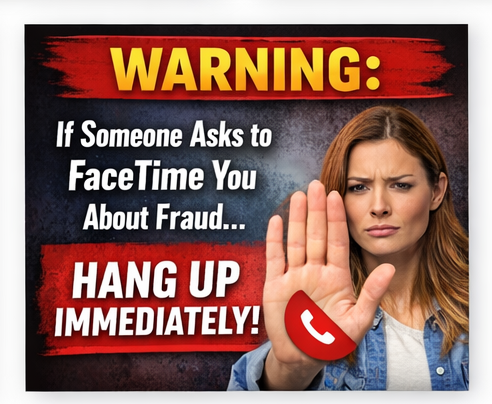


Key Takeaways
- Do credit bureaus call you about fraud? Almost never. The credit bureaus communicate by mail, by email alert if you have a paid account, or through their website. Unsolicited phone calls about fraud are a near-universal sign of a scam.
- The five major bureaus (Experian, TransUnion, Equifax, Innovis, ChexSystems) each handle a different layer of your financial identity. None of them monitors your individual credit card transactions.
- The companies that DO call you about fraud are your bank and your credit card issuer. They have the transaction data the bureaus do not.
- Every scam pretending to be from a credit bureau follows the same playbook. Claim authority that the bureau does not actually have, then use the urgency to extract information or money.
- Knowing what each bureau actually does turns most scam calls into a 30-second hang-up.
In This Article
- Do Credit Bureaus Call You? The Short Answer
- What Credit Bureaus Actually Do
- The Five Bureaus and What Each One Handles
- When a Bureau Genuinely Needs to Contact You
- Your Bank Calls. The Bureau Does Not.
- Why Every Bureau Impersonation Scam Works the Same Way
- What to Do When Someone Calls Claiming to Be a Bureau
that report on you
card transactions
actually reach you
The phone rings, and the caller says they are from Experian’s fraud department. Or TransUnion. Or Equifax. They sound official. The caller has your name and wants you to act fast. So before you do anything, here is the question worth asking. Do credit bureaus call you about fraud, ever?
The short answer is no. The longer answer explains why, and it gives you everything you need to spot any future bureau impersonation call without a second thought. This post is the deeper companion to the first-hand account of an Experian FaceTime scam I documented after a real call I received. Here we explain the system that makes those calls impossible.
Do Credit Bureaus Call You About Fraud? The Short Answer
Credit bureaus do not call you about fraud. Instead, they communicate by mail, by email if you have a paid account or have signed up for free monitoring, and through their secure website. Furthermore, they do not initiate phone calls to consumers about specific suspicious activity, because they do not have the kind of information that would prompt one.
In fact, the only time you will ever hear from a credit bureau by phone is if you called them first and they are returning your call about an open case. And even then, they reference the case number you opened.
If a caller claims to be from Experian, TransUnion, Equifax, Innovis, or ChexSystems and they initiated the call, the answer is simple. So hang up. After all, there is no version of that call that is legitimate.
What Credit Bureaus Actually Do
To understand why a real bureau call is almost impossible, you have to understand what credit bureaus actually do. However, most people have a vague mental model that includes more than the bureaus actually handle.
What credit bureaus are
First, a credit bureau is a private company that collects and sells data about your credit history. Notably, they are not banks. They are not government agencies. The bureaus are not law enforcement either. They are commercial information businesses.
Their main customers are not consumers. Instead, their main customers are lenders, landlords, employers, and insurers, all of whom pay the bureaus for credit reports when they need to evaluate someone.
How the data flows
For example, here is the actual sequence that creates the credit report a lender pulls about you:
The Credit Reporting Data Flow
You use a credit account
You make a purchase on your credit card, take out a mortgage, sign up for a phone plan, or open a checking account. The lender or service provider has the transaction details.
The lender summarizes monthly
Once a month, the lender compiles a summary of your account that includes balance, payment status, credit limit, account age, and account type. They do not send the bureau your individual purchases.
The bureau receives the summary
Each bureau receives summaries from every lender that reports to them. The bureau adds the new data to your file. This data set is your credit report.
A future lender pulls your report
When you apply for new credit, the new lender pays the bureau for a copy of your report. They use it to decide whether to approve you.
The cycle repeats
Your report updates every month based on what your lenders send in. Nothing in this cycle includes individual transactions, transaction-level alerts, or anything a bureau could call you about.
The thing to notice here is what is missing. As a result, bureaus do not see purchases. They do not see fraud as it happens. The bureau does not even know what merchant you used. Data is summarized monthly, not streamed as it happens.
What credit bureaus cannot do
Credit bureaus do not see your individual credit card transactions. They cannot tell you that someone just bought a plane ticket on your card. The bureau cannot freeze a charge mid-purchase. They cannot reverse a transaction. None of these are part of what a bureau does.
Therefore, if a caller claims a bureau detected a specific charge, the call is fake by definition. The bureau does not have that information.
The Five Bureaus and What Each One Handles
Most people have heard of three credit bureaus. However, there are actually five reporting agencies that affect your financial identity, and scammers exploit the fact that most people do not know about the other two.
Experian, TransUnion, and Equifax
These are the three major credit bureaus. Together, they handle credit cards, auto loans, mortgages, student loans, and most other consumer credit. When a lender pulls your credit report, it almost always comes from one of these three.
Additionally, all three are required by federal law to give you one free credit report per year through AnnualCreditReport.com, the only government-authorized site for free reports. They are also required to offer free fraud alerts and free credit freezes.
Their fraud lines are:
Experian: (888) 397-3742
TransUnion: (800) 680-7289
Equifax: (800) 685-1111
Innovis
Meanwhile, Innovis is the fourth credit reporting agency that most people have never heard of. Some lenders, especially in subprime credit and certain regional markets, use Innovis instead of the big three. As a result, identity thieves who know about Innovis can sometimes open accounts there even when your big-three reports are frozen.
Innovis offers free freezes through their security freeze page. Most identity protection guides skip this bureau, which is exactly why the scammers and thieves who target it often succeed.
ChexSystems
ChexSystems is not technically a credit bureau. Instead, it is a banking reporting agency. When you apply to open a new checking or savings account, the bank checks ChexSystems to see whether you have a history of overdrafts, returned checks, or other banking problems.
Specifically, ChexSystems matters for identity theft because it controls whether someone can open a new bank account in your name. Freezing ChexSystems blocks fraudulent bank account openings the same way freezing Experian blocks fraudulent credit card applications. The freeze is free at their security freeze page.
What happens if you only freeze the big three
Unfortunately, most identity theft guides only mention Experian, TransUnion, and Equifax. People follow the guide, freeze those three, and assume they are protected. However, they are not. A thief who knows about Innovis and ChexSystems can still open accounts in your name.
The full identity lockdown freezes all five. You can read the complete walkthrough in our free 30-step Identity Lockdown Checklist.
When a Bureau Genuinely Needs to Contact You
Real bureau communications happen through three channels. Notably, none of them is an unsolicited phone call.
If you placed a fraud alert, requested a copy of your credit report, disputed something on your report, or were involved in a confirmed data breach the bureau is notifying you about, the contact comes by U.S. mail. The letter has the bureau’s logo, a return address, and either a case number or a unique enrollment code if it is a breach notification.
Mail is slow, but slow is precisely the point. In fact, real bureau communication does not come with urgency. There is no five-minute window. The mail you receive will give you time to read it, verify it, and respond.
Account dashboard or email alert
If you have an Experian, TransUnion, or Equifax account, you can log in to see fraud alerts, score changes, new credit inquiries, and any account changes the bureau is tracking. The bureau may send an email or push notification when something changes, but the alert always directs you to log in to verify, never to call a phone number or click an embedded link to a third-party site.
Returning your call
If you called the bureau first about a specific issue, they may call you back to follow up. The returned call references the case number you opened, the issue you contacted them about, and the specific action you requested.
That is the entire list. No fraud alerts by phone. There are no “we detected suspicious activity” calls, and bureaus never call asking you to verify your identity over the phone.
Your Bank Calls. The Bureau Does Not.
If a real fraud call comes in about activity on your credit card, it is from your bank or your credit card issuer, not a bureau. This is the key distinction scammers blur to make impersonation work.
What your bank actually sees
By contrast, your bank or card issuer sees every transaction you make as it happens. They know the merchant, the amount, the location, and the time. They run automated fraud detection systems that flag transactions that are unusual for your spending pattern. When a transaction looks suspicious, their system sends you a text or push notification asking if it was you, and sometimes a representative calls to follow up.
Thus, this is the kind of call that is genuinely about fraud, and it comes from your bank, not a bureau.
How to verify a real bank call
Even when the call is genuinely from your bank, you should still verify. The simplest method is the same. Hang up and call the number on the back of your card. The legitimate fraud line will be able to look up your case and confirm whatever the caller said.
Real bank fraud teams expect you to do this. As a result, they will not be offended. They know the call-back is the safest way to confirm.
⚠ The clarifying question
If a caller says they are from a credit bureau, the call is a scam. If a caller says they are from your bank or card issuer, the call may be real, but you should still hang up and call back using the number on the back of your card. The verification rule applies either way.
Why Every Bureau Impersonation Scam Works the Same Way
Every bureau impersonation scam follows the same script structure, regardless of which bureau the caller claims to be from. Recognizing the pattern means recognizing all of them.
Step one. Borrow authority
The caller leads with a name people know and respect. Experian, TransUnion, Equifax. Each name carries weight because most people have at least heard of these companies in the context of credit and money. As a result, the name primes you to take the call seriously before you have evaluated anything else.
Step two. Invent the problem
Next comes the fabricated reason for the call. A specific charge. A suspicious purchase. An account inquiry from a different state. The detail is specific enough to feel real, but it is something the bureau could not actually know if it were true.
This is the moment most scam targets stop questioning. As a result, the detail bypasses the natural skepticism that should kick in.
Step three. Create the urgency
Now the caller introduces time pressure. The charge is going through right now. The fraud is in progress. We need to lock down the account immediately. The urgency is the engine of the scam, because urgency is what stops people from pausing to verify.
Step four. Ask for the impossible thing
This is the move that always reveals the scam. The caller asks for something a real fraud team would never ask for. A FaceTime call to walk you through securing your phone. An app to install for verification. A code from a text message. A transfer to a holding account. Gift cards to offset the fraudulent balance. Each is impossible for a real company. Each is the entire point of the call for a scammer.
If the call gets to step four, the script has already failed. Step four is where the verification rule overrides everything else. Hang up.
What to Do When Someone Calls Claiming to Be a Bureau
The protocol is short.
First, if they describe a specific charge or transaction
Hang up. The bureau does not have that information. The call is fake by definition. You do not need to verify anything.
Second, if they ask for any of the four impossibilities
Hang up. Real fraud teams do not video call you, install software on your device, ask for verification codes, or accept gift cards as payment.
If you are not sure
Hang up. Then call the bureau yourself using the official number from their website (typed directly into your browser, not clicked from a link). The official numbers are listed in Section 3 above. If there is genuinely an issue on your account, the bureau can confirm it. Otherwise, you have your answer.
If the call has already happened and you engaged
If you have already given information, accepted a video call, installed an app, or transferred money, act today. Place a fraud alert with one of the bureaus using the official numbers. Call your credit card companies and your bank. If you installed any app, delete it and turn your phone off and back on in airplane mode before changing passwords from a different device.
After that, use our free 24-Hour Identity Theft Response Plan for the complete sequence of recovery steps. It walks you through the first hour, the rest of day one, and the wind-down phase.
The Bottom Line
Do credit bureaus call you about fraud? In short, they do not. The credit reporting system is built around monthly summaries from lenders, not transaction-level monitoring. None of the five bureaus has the data they would need to make an unsolicited fraud call. Therefore, none of them does it.
The reason these scams keep working is that most people have never had it explained to them what credit bureaus actually do. The scammers count on that gap. Therefore, filling that gap is the entire defense.
Now, the next time someone calls saying they are from Experian or TransUnion or Equifax, you already know the answer. Hang up. Then go check that all five of your bureau freezes are in place, so even if a fraudster has built a profile of you from data brokers and breaches, they cannot do anything with it.
Lock Down All Five Bureaus Tonight
Most identity theft guides skip Innovis and ChexSystems. Most scammers do not. The free 30-step checklist walks you through freezing all five major bureaus, securing your IRS account, and locking down your whole family in about an hour.